
building, supporting and enabling the digital technology ecosystem

A digital transformation leader with over two decades of experience advising government and industry on complex, technology-enabled change, Emma’s career spans senior roles at KPMG, Deloitte, Accenture, and PwC, building and leading practices, shaping national programmes, and supporting C-suite clients through enterprise-wide transformation.
Emma is currently serving as Deputy President of BCS, The Chartered Institute for IT, for which she was elected by peers in the technology profession. This role allows her to contribute to the national conversation on technology professionalism at a pivotal moment. As AI and emerging technologies reshape business and society, she is working with government, industry leaders, and BCS members to help define the standards and ethics that will guide our digital future.
A background that includes coding ABAP for global SAP implementations to advising C-suite executives on enterprise transformation has given Emma a unique perspective on technology’s evolving role in organisational success.
She is a proud member of International Women’s Forum, and has launched and led diversity networks across a number of organisations.

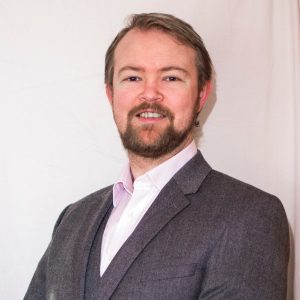
Curiosity has always gotten the better of Tim, particularly when someone tells him that’s just how things are. With an MA in Religious Anthropology and an MSc in Data Science, he brings an unconventional perspective to the question of how organisations actually work, and why they so often resist the changes meant to improve them. His career has taken him from international Energy Sector to the cutting edge of Natural Language Processing and Knowledge Graph techniques, driven throughout by the same underlying preoccupation: the messy, fascinating relationship between human behaviour and the systems built around it. In his current role at Katoni Engineering, Tim focuses on digital technologies that genuinely empower the workforce rather than simply land on it. That collision of social topology, graph-based thinking, and on-the-ground transformation is what drew him to Organisational Network Analysis.
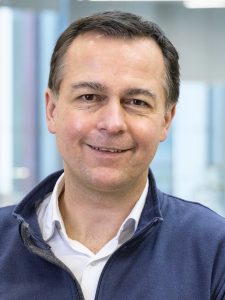
Martin Weides is Professor of Quantum Technologies at the University of Glasgow and co-founder of Quantcore and Kelvin Quantum. He specialises in superconducting qubits and works with the James Watt Nanofabrication Centre to develop scalable quantum hardware and translate research into real-world technologies.
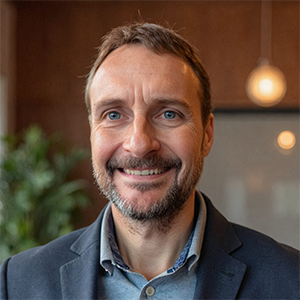


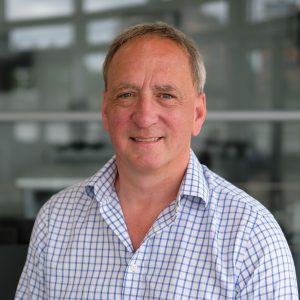
Chris has worked in Risk, Resilience and Security Advisory since retiring from a 21-year military career in 2012. Having worked initially as an independent consultant, then in Sungard Availability Services, Chris joined Databarracks in 2022 to lead the company’s expanding Business Resilience and Continuity services. In May 2024, Databarracks acquired the award-winning and long-established team from PlanB Consulting.
Initially engaged in high-hazard industries, notably the UK’s nuclear sector, Chris specialises in helping Board-level executives to improve their leadership in a crisis. Chris also helps clients develop their strategies and frameworks for organisational and operational resilience, Business Continuity and Information Security. He has worked with leadership teams in investment banks, life insurance, car manufacturers and motoring organisations, energy providers, critical national infrastructure firms, the legal sector, national banks and companies across the renewables sector.
Chris is a fluent French speaker and had a number of clients in Ireland, France, Belgium, Sweden, and Luxembourg, in addition to clients in the UK. His current team in Databarracks work globally, from the Far East to the Caribbean and North America.
Chris holds MBCI status with the BCI, and CISM with ISACA. He is a Fellow of both the Institute of Leadership (FIoL) and the Chartered Management Institute (FCMI). He is a certified Level 7 Executive Coach and Mentor. He’s a Committee Member in the Continuity and Resilience workstream of the British Standards Institute. Happily married for over 25 years with children at university, he lives in Wiltshire.


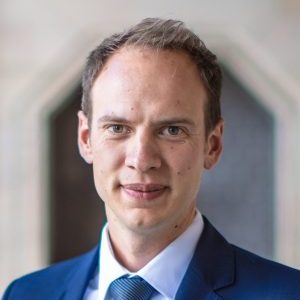
Marcel Lukas is Senior Lecturer in Banking and Finance and Vice-Dean of Executive Education at the University of St Andrews Business School, where his work sits at the intersection of finance, behavioural science, and AI. He designs and delivers executive education on AI and fintech governance for organisations including Deutsche Börse, Nest Corporation, Scottish Enterprise, and the IoD’s Global Certificate in Company Direction. His parallel research programme on family financial socialisation in the digital age has informed evidence to the House of Commons and the Money and Pensions Service, and he serves on UNICEF Innocenti’s strategic advisory board. His headline theme is helping people and organisations make better decisions in a digital world.

Rebecca has a broad public law and regulatory practice and a particular interest in data privacy and cyber security. Rebecca is recognised as an accredited specialist in freedom of information & data protection law by the Law Society of Scotland, and is a member of the Law Society of Scotland’s Privacy Law Sub-Committee. Rebecca regularly supports clients in managing their response to data breaches and cyber attacks. She has acted for clients subject to some of the most serious and high-profile ransomware attacks in recent years. Having recently completed a secondment to the UK Information Commissioner’s Office, Rebecca can offer valuable insight regarding engaging with the regulator, including managing the risk of enforcement action.

Nick specialises in English law disputes, corporate crime and regulatory investigations. Nick spent over ten years at Slaughter and May in London, before joining Burness Paull. He has experience of advising individuals, corporates, public bodies and financial institutions in connection with a range of complex and high-value investigations and disputes (both internal and external) across a variety of sectors. He frequently advises on regulatory and compliance issues, and is experienced in managing extensive, complex and sensitive data collation, review analysis and production exercises.

Kostandino Kustasis a Cyber Security Consultant at N-Able, where he spends his days helping businesses navigate the wild world of cyber security tools and services with cyber resilience in mind — occasionally explaining why “turning it off and on again” isn’t a security strategy.
With over 20 years in IT and 7 years focused on cyber security, he’s worked with organisations of all shapes and sizes across the UK — from punchy SMBs to sprawling enterprises, and everything from retail to public sector.
Whether he’s demystifying threat detection or cracking a dry joke about firewalls, Kostandino brings a refreshingly human touch to tech. If you’re looking for someone who knows his stuff and doesn’t take himself too seriously, you’re in the right place.
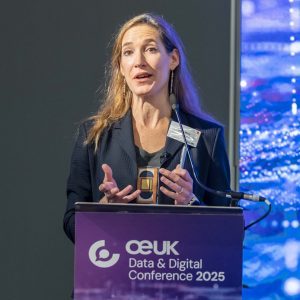
Laure is an energy industry professional, with more than 20 years experience. Her career started as an engineer in the Oil and Gas industry, in mainly operations engineering and commercial roles. She expanded her career to waste heat recovery and geothermal in 2019 and subsequently worked in green hydrogen. Using her cross-energy knowledge, she led an energy start-up programme at the Net Zero Technology Centre before joining Offshore Energies UK in 2024 as Business Growth & Transformation Manager. In this role, she heads the various OEUK data and digital groups and organises the yearly OEUK Data and Digital Conference. She is passionate about the proper implementation and use of digital tools across the whole energy industry to improve project delivery.
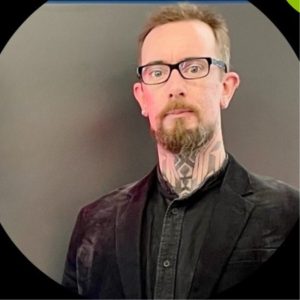
Cian Heasley is a Principal Consultant at Acumen Cyber and a cybersecurity threat specialist who has run threat intelligence programs and built threat hunting functions in previous roles. He is a Mitre ATT&CK and Sigma detection contributor and has presented at security conferences across the UK on topics ranging from mobile surveillance apps to the history and future of ransomware.
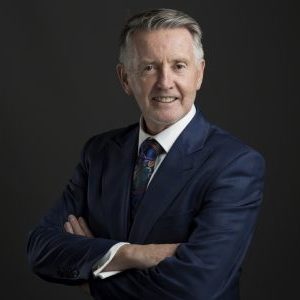
Dr Brian Williamson is a serial entrepreneur and CEO of Synlata with more than 25 years’ experience building, scaling and exiting technology businesses. He co-founded Jumpstart, which became Scotland’s fastest-growing SME for three consecutive years, and has spent much of his career helping technology companies accelerate growth. Today, Brian is exploring how business intelligence, behavioural insight and market signals can help organisations better understand buyers and improve commercial performance. Drawing on insights from more than 3.4 million B2B technology conversations, his work focuses on the changing dynamics of growth, sales and buyer behaviour in an increasingly data-rich world.

Matt Leeper is co-founder and CEO of Silmaril and a multi-time founder who previously built Education Evolved into a leading immersive learning studio. With 14 years in higher education, coaching, consultancy and process architecture, plus deep AI and commercialisation expertise, he turns complex ideas into scalable digital transformations and global partnerships.

Irene Coyle is Chief Operating Officer and Data Protection Officer at OSP Cyber Academy, where she leads the development and delivery of cyber security, data protection and AI governance training programmes for organisations across the UK and internationally. With extensive experience in governance, risk and organisational resilience, Irene specialises in translating complex cyber and data protection challenges into practical, engaging learning experiences that empower individuals, teams and leaders to make better decisions. She works with public and private sector organisations to strengthen cyber resilience, embed a culture of security and trust, and support organisations in navigating an increasingly complex digital landscape. Irene is a regular speaker and facilitator on cyber security, data protection, and digital resilience. Irene is also a Board Advisor to the Cyber Centre of Excellence.

Keith O’Donnell is Managing Director of Feynic Technology, a horizon technology consultancy specialising in commercialising emerging technologies and turning intellectual property into viable, growing businesses.
With a career spanning Wall Street transformation at Morgan Stanley, enterprise technology with IBM and AWS, and hands-on work with founders and growth-stage companies across the UK, Keith brings a rare combination of boardroom credibility and practical delivery experience.
He has worked directly with founders, leadership teams, and corporate decision-makers to take technology from concept to commercial reality, helping businesses cut through complexity, identify the right tools for their context, and implement AI in ways that create genuine, measurable value.

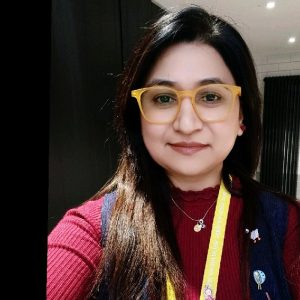
Rita Patley is a Senior Microsoft Consultant with 18+ years of experience in Microsoft 365, Power Platform, Dynamics 365 CE, and SharePoint. She specializes in digital transformation, automation, enterprise solutions, and helping organizations use AI technologies like Microsoft Copilot to drive innovation.
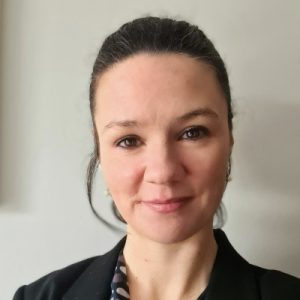

Dr Ana Rojo-Echeburúa leads the technical direction and delivery of AI systems at AinTools. She designs scalable architectures and builds responsible AI and governance into how those systems are made, so they are secure, explainable, and grounded in the policies and context of the organisations using them.
Alongside this, she works independently as an AI consultant and advisor, helping organisations find where AI is genuinely useful and how to adopt it, and advising startups and investors on AI strategy and technical direction. She holds a PhD in Mathematics, specialising in differential geometry, and moved into AI to solve real-world problems through technology.
She speaks regularly at industry events on AI strategy and delivery, and hosts The AI Frame Podcast, where she talks with founders and investors about what is actually shaping the future of AI.

Ritchie is Deputy Director of EPCC, the National Supercomputing Centre (formerly the Edinburgh Parallel Computing Centre), where he is responsible for its overall operation and strategic direction in partnership with the Director.
He is also the Project Manager of the UK AI Factory Antenna project, Pilot-UKAIFA, funded by the European Commission, which supports industry and the public sector to build, test, and scale AI solutions using cutting-edge infrastructure and expertise. Rooted in UK capability and capacity, it connects users to the broader European AI Factory network, opening up further opportunities for collaboration and access to complementary resources.
Prior to joining EPCC, he was Head of Strategy for the Data Innovation Initiative, part of the Edinburgh and South East Scotland City Region Deal, having been a member of its Leadership Team from its inception in 2017.
Ritchie has 30-years’ experience across a wide range of government policy, project and programme management roles in planning, economic development and business development, company start-up and programme development and delivery, and more recently in academia, with technology, compute and data a thread throughout.

Professor David Lowe is Clinical Director of Innovation at the University of Glasgow and a Consultant in Emergency Medicine at Queen Elizabeth University Hospital, NHS Greater Glasgow and Clyde. He is clinical lead of the Health Innovation and Translation Lab, which designs and delivers the evidence needed to move AI and medtech from prototype to routine NHS use.
He is Deputy Director of CERSI-AI, the UKRI-funded Centre of Excellence for Regulatory Science and Innovation in AI and digital health, a member of the UK Commission on AI in Healthcare, and sits on the board of the MHRA AI Airlock supporting development of UK regulatory pathways for AI in health.
David has led multi-centre AI trials and real-world evaluations across imaging modalities including chest radiography, CT and echocardiography, with programmes in COPD, heart failure and lung cancer focused on case-finding, diagnosis and prioritisation. His work consistently pairs technology adoption with clinical pathway redesign, on the basis that value comes from system transformation rather than algorithms alone.
He established Clinical AI Fellowship within Scotland with PSDS and, building the workforce capability the sector needs, and works with academic, government and industry partners in Scotland and internationally to translate research into deployed, evaluated services.
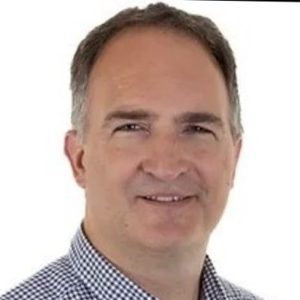
A Senior Cyber, Technology, and Change Risk Consultant at i-confidential, Calum has extensive leadership experience across financial services and consulting. He is a specialist in Technology Risk, Cyber Governance, Regulatory Compliance (PRA, FCA, EBA, ICO), and Cloud Risk.
With a proven track record delivering large-scale risk management transformations, including control frameworks, risk assurance functions, and governance models, Calum is skilled in communicating with board-level stakeholders and regulators to drive informed decisions on technology risks and resilience. His background includes organisations such as Tesco Bank, Lloyds Banking Group and EY.

Maggie has an extensive background in cyber security, spanning organisations including the National Crime Agency, HSBC and Lloyds Banking Group, to name a few.
She now holds an Advisory role at Barrier Networks, in addition to Board Chair positions at Cyacomb and the National Cyber Resilience Advisory Board, amongst other advisory posts.
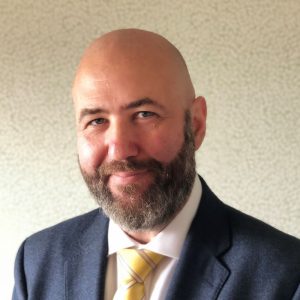
A seasoned CISO and Head of Resilience – currently as Founder and Fractional CISO of CyberHelm – with a proven track record of leading global information security, risk, and resilience strategies in highly regulated financial & banking environments, Nicolas specialises in aligning cybersecurity initiatives with business objectives, seamlessly integrating them into global transformation programmes. Whether it’s addressing operational resilience, bolstering business continuity, or protecting critical processes, he provides practical solutions that mitigate threats and protects vital assets for world-renowned institutions, including HSBC, BNP Paribas & UniCredit.
With a passion for building and transforming multicultural information security teams, Nicolas focuses on regulatory compliance, governance, risk management, education, and awareness. From implementing security controls to introducing standardised global best practices, he ensures organisations stay resilient and ahead of the curve.

Paula has spent thirty years making the UK’s financial system more secure and resilient through periods of adversity, regulatory scrutiny and structural challenge that tested institutions to their core.
Accountable to Executive Boards, Risk Committees, and Internal and External Audit for cybersecurity risk and control posture, she exercises independent oversight and constructive challenge daily.
At roles across Barclays, HSBC, Sainsbury’s Bank and RBS, Paula has shaped cybersecurity, risk and resilience capabilities across some of the UK’s most systemically important financial institutions — building maturity frameworks, leading regulatory examinations, and delivering operational risk and transformation programmes under significant regulatory scrutiny.
Paula enable boards to ask the right questions of their Executives and CISOs, challenge effectively, and govern cyber risk and resilience in a way that protects the people and organisations they serve. She understands this agenda from both sides: as the senior accountable practitioner who has led it, and as someone who has designed and delivered board-level cybersecurity governance programmes for NEDs and executive boards.

Ishani Malhotra is CEO and Co-Founder of Oncocine, an AI-native biotech company that has built the first infrastructure for mRNA cancer vaccines. A serial biotech founder, Ishani led her previous cancer research and drug testing company through equity raises over $6M and establishing international partnerships with pharma companies, biotechs and research institutes across the US, Europe and UK. She also serves as Entrepreneur in Residence at the University of Edinburgh Venture Builder Incubator, reflecting a broad track record spanning venture building, scientific advisory and investment. She holds multiple cancer biotech patents across the UK, US, Europe and has been recognised with numerous awards including Cancer Research UK’s Woman Entrepreneur of the Year 2024, EY Entrepreneur of the Year Scotland Winner 2023, and Forbes featured innovator in cancer drug testing technology.
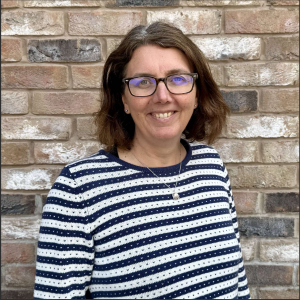
Life Sciences entrepreneur with an MBA from Babson (Boston); holds a PhD in Biology from the University of Cambridge and a BSc (Hons) in Genetics from the University of Aberdeen.



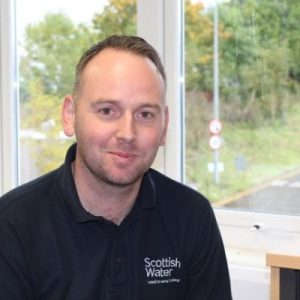
Colin Lindsay is the Hydrogen and Developer Services Manager at Scottish Water Horizons, with more than 30 years’ experience across the water and wastewater industry. His career has covered the design, delivery, operation and maintenance of major infrastructure projects.
Today, Colin leads a team working with developers and industry on the water and wastewater requirements of emerging sectors, including hydrogen and data centres. This includes looking at how existing infrastructure, water resources and wastewater can be used more effectively to meet new demands.
Colin is particularly focused on finding ways to support new industries while making responsible use of Scotland’s water resources. Drawing on his experience across the water sector, he works with businesses to develop sustainable approaches to water and wastewater that can support growth over the long term.


Dr Natasha Nicholson is CEO of Space Scotland, where she leads work strengthening Scotland’s space sector and connecting its capabilities with other industries, technologies and markets. She has developed cross-sector innovation programmes spanning space, life sciences, advanced manufacturing, and environmental sustainability. Her work focuses on turning shared challenges into collaborative projects and practical opportunities, including the responsible adoption of AI across an increasingly data-driven space economy.

Stephanie Calder is an experienced leader in the energy technology sector, with a particular focus on helping organisations manage and protect the critical operational technology that underpins their operations.
Through her work with Asset Guardian Solutions, Stephanie has worked closely with organisations across the energy and industrial sectors, helping them address challenges around digital transformation, cyber resilience, asset management and ageing infrastructure.
With a strong commercial and operational background, Stephanie is passionate about bridging the gap between the technology and energy sectors, exploring how Scotland’s tech community can bring fresh thinking, skills and innovation to some of the energy industry’s complex challenges.

Richard is a veteran technology entrepreneur working in AI and data related platform services, currently leading the Solutions Services Team for HFD Datavita as it spearheads the UK’s transition into the AI era. This mission is a commitment to provide a “modern digital backbone” for the nation. They don’t just host data; we enable the future by ensuring that high-performance computing platforms are accessible, secure, and most importantly, environmentally responsible.
Richard has also founded, led and sold a number of successful companies such as Parallax Group PLC and Apama Inc. with exits backed by top-tier investors such as Carlyle and Amadeus.